
Beatbox / PIA & SING
A beatbox palette that leaves room for piano
Assign low, middle and high sounds before adding fills.
Practical suggestions for hobbyists, not a guaranteed training programme. Adapt to a comfortable level and stop if you feel pain or tension.
In this article
Treat beatbox as a compact kit: B/kick for weight, short t/closed hi-hat for subdivisions, Pf for a lip-based snare, and K for a tongue-based snare family. Notation varies between teachers.
Start with B, t and Pf. Piano already supplies bass, so sparse kicks often fit better. In a pop 4/4 example, place snares on 2 and 4, keep hats quieter, and reserve an occasional longer tss for a vocal gap.
Throat bass, inward sounds and forceful effects are not prerequisites. Leave normal breathing gaps and stop for pain, dizziness or irritation. Good timing and space matter more than spectacular effects.
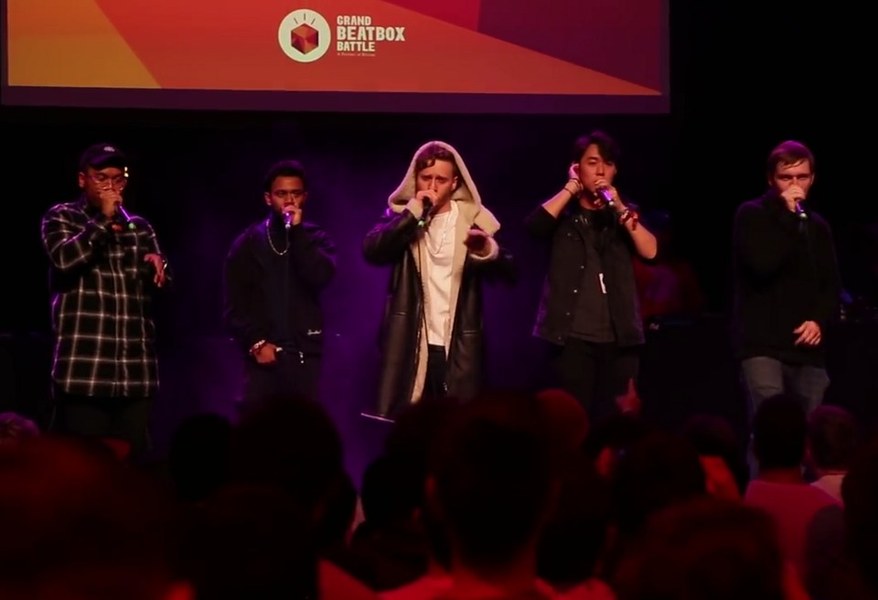
Try it step by step
- Choose B, t and Pf as a shared vocabulary.
- Try each once with rests, without loudness or duration contests.
- On eight eighth-note slots, try B t Pf t B t Pf rest.
- Add held piano chords; reduce kicks if they obscure bass.
- Add a brief tss at a phrase ending only if breathing and timing stay easy.
Check before making it harder
Can you distinguish accents and hear the singer? Reduce hats and kick density first.
A song to try this with
 The Lazy Song · Bruno Mars
Try three sounds under a familiar The Lazy Song phrase; adapt rather than claiming an original drum transcription.
This is a suggested way to use the song, not a universal difficulty rating or key recommendation.
More in this category

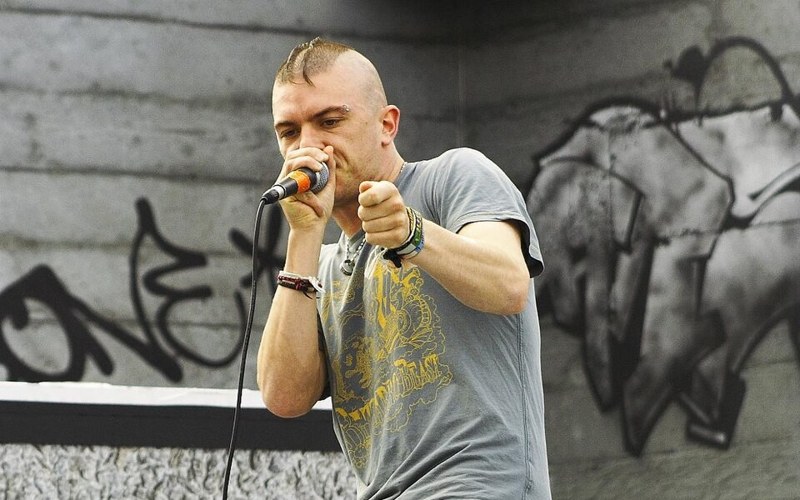
Learn more — Thai-language resources
External learning links open only when selected. No YouTube players or tracking load beforehand.
- สอนบีทบ็อกซ์พื้นฐาน Basic Beatbox - PedPed TV
PedPed TV teaches three basic drum sounds and patterns; not a piano-beatbox lesson.