
THE PRACTICE JOURNAL
What would you like to practise?
Pick a topic and try one thing at a time. You do not need to read everything first.
Choose your starting point

Singing
Find a comfortable key, enter in time, then combine singing and playing.
See articles in this category →
Beatbox
Start with one sound, build a groove, then add piano.
See articles in this category →
Piano
Build a steady pulse, join chords smoothly, and leave room for the voice.
See articles in this category →Already have a topic in mind?
 Backing a friend: harmony without taking overChoose a backing role and hold your part while listening to the lead.
 Remember lyrics with scenes and starting cuesChunk the story, retrieve without the page, and practise starting in the middle.
 Gentle lip trills—not jaw or neck shakingLet the lips flutter with modest airflow and know when to stop.
 Explore high and low notes without chasing recordsDistinguish a note you can touch from a range you can use.
 When high notes change: head, falsetto, mix and whistleUnderstand the labels without treating a high sound as a challenge.
 Find your sound: colour, range and song keyExplore your sound in real phrases without fixing a lifelong label.
 Sing in time—even when the words start off the beatSeparate the pulse from the lyric rhythm and agree on the entry.
 A beatbox palette that leaves room for pianoAssign low, middle and high sounds before adding fills.
 Beatbox from zero: one sound can make a grooveMake short sounds, include rests, then combine a tiny kit.
 Piano plus beatbox: give hands and mouth separate jobsStart with a held chord and kick, not two busy hands and a full kit.
 Warm up for friends: short, slow and song-specificPrepare your hands and song entry without tiring yourself out.
 Practical chord formulas: triads, sevenths and coloursRead degrees against the root’s major scale and separate 7 from maj7.
 Intentional endings: simple chords and a shared cueChoose a clear, gentle or coloured finish and rehearse the release.
 Surprise the audience, not the singerHide the melody while making key, pulse and entry clear.
 Call and response: give everyone a partTrade short phrases and leave space without harmonizing the whole song.
 Jam signals and a mini-medley without getting lostAgree on repeat, quieter and ending cues before connecting two singable songs.
 Singing while playing: start with lessSeparate the voice and the hands, then combine them one layer at a time.
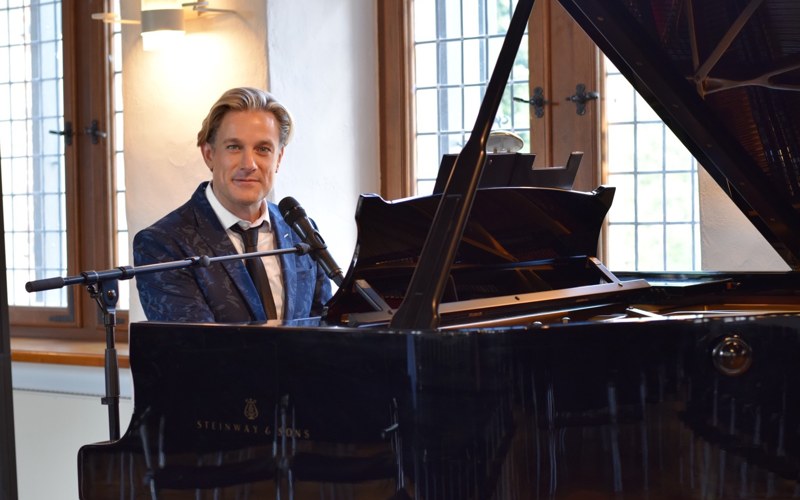 Find a comfortable key—not necessarily the originalTest both low and high passages instead of judging by the first note.
 Find your vocal entry without guessingUse a lead-in cue and keep the pulse through the silence.
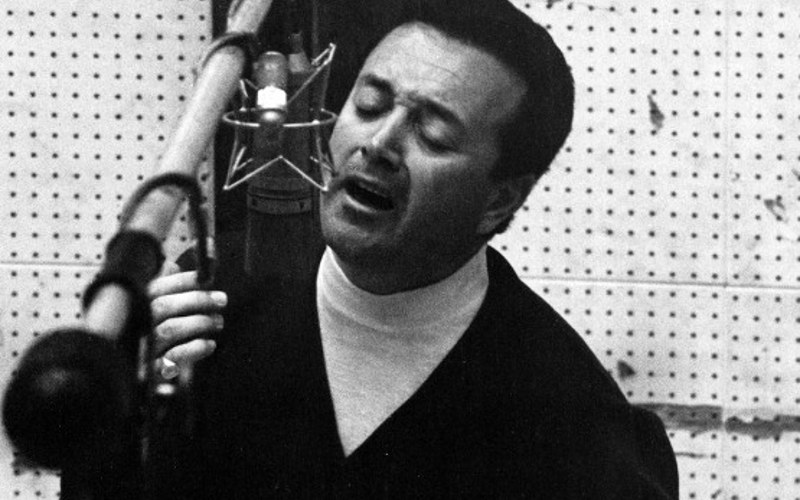 Shape a phrase, not just a string of wordsChoose a focal word and a pause without decorating every line.
 When the piano covers your voice, rebalance firstMake the accompaniment lighter instead of forcing the voice louder.
 A tired-voice day: practise without singingRest the voice while listening, mapping the song and planning.
 Smoother chord changes: practise the joinIsolate the difficult transition, including what comes before and after.
 A simple left hand that keeps the song movingStart with the main beats before adding a busier pattern.
 Right chords, wrong feel? Listen to the rhythmListen for when to play, when to leave space and what to emphasise.
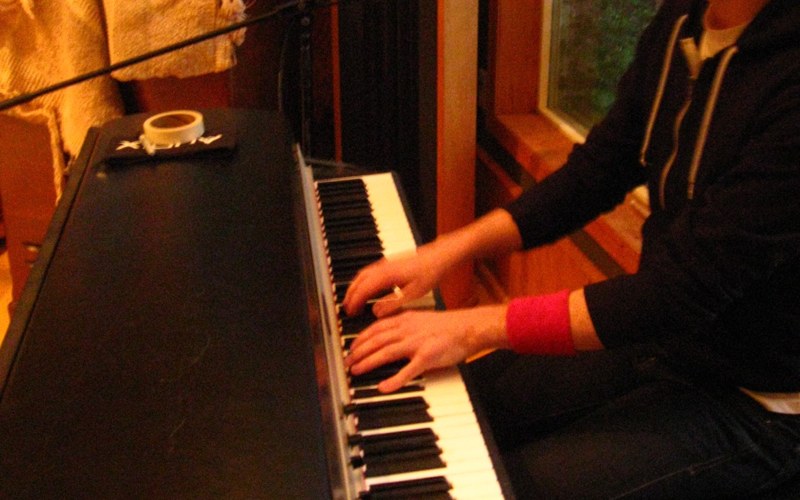 Play less and support the singer moreDecide what to keep and place fills between vocal phrases.
 Short on time? Choose one task per sessionFinish with a checkable result, not another run from the beginning.
 Recover from mistakes and keep a song readyUse recovery points and a song cue card instead of restarting every time.
No matching topics. Try another term or clear search.
Browse the full contents (28 articles)
Singing
- Backing a friend: harmony without taking overChoose a backing role and hold your part while listening to the lead.
- Remember lyrics with scenes and starting cuesChunk the story, retrieve without the page, and practise starting in the middle.
- Gentle lip trills—not jaw or neck shakingLet the lips flutter with modest airflow and know when to stop.
- Explore high and low notes without chasing recordsDistinguish a note you can touch from a range you can use.
- When high notes change: head, falsetto, mix and whistleUnderstand the labels without treating a high sound as a challenge.
- Find your sound: colour, range and song keyExplore your sound in real phrases without fixing a lifelong label.
- Sing in time—even when the words start off the beatSeparate the pulse from the lyric rhythm and agree on the entry.
- Call and response: give everyone a partTrade short phrases and leave space without harmonizing the whole song.
- Singing while playing: start with lessSeparate the voice and the hands, then combine them one layer at a time.
- Find a comfortable key—not necessarily the originalTest both low and high passages instead of judging by the first note.
- Find your vocal entry without guessingUse a lead-in cue and keep the pulse through the silence.
- Shape a phrase, not just a string of wordsChoose a focal word and a pause without decorating every line.
- When the piano covers your voice, rebalance firstMake the accompaniment lighter instead of forcing the voice louder.
- A tired-voice day: practise without singingRest the voice while listening, mapping the song and planning.
Beatbox
- A beatbox palette that leaves room for pianoAssign low, middle and high sounds before adding fills.
- Beatbox from zero: one sound can make a grooveMake short sounds, include rests, then combine a tiny kit.
- Piano plus beatbox: give hands and mouth separate jobsStart with a held chord and kick, not two busy hands and a full kit.
Piano
- Warm up for friends: short, slow and song-specificPrepare your hands and song entry without tiring yourself out.
- Practical chord formulas: triads, sevenths and coloursRead degrees against the root’s major scale and separate 7 from maj7.
- Intentional endings: simple chords and a shared cueChoose a clear, gentle or coloured finish and rehearse the release.
- Surprise the audience, not the singerHide the melody while making key, pulse and entry clear.
- Jam signals and a mini-medley without getting lostAgree on repeat, quieter and ending cues before connecting two singable songs.
- Smoother chord changes: practise the joinIsolate the difficult transition, including what comes before and after.
- A simple left hand that keeps the song movingStart with the main beats before adding a busier pattern.
- Right chords, wrong feel? Listen to the rhythmListen for when to play, when to leave space and what to emphasise.
- Play less and support the singer moreDecide what to keep and place fills between vocal phrases.
- Short on time? Choose one task per sessionFinish with a checkable result, not another run from the beginning.
- Recover from mistakes and keep a song readyUse recovery points and a song cue card instead of restarting every time.
Photo credits
Illustrative category photos; pictured performers do not endorse this site. Images are displayed cropped to fit, without colour alterations.
- Singing: Debra Arlyn singing on stage — Zachary VanDeHey, CC BY-SA 3.0. Photo and crop under the same licence.
- Beatbox: SungBeats performing beatbox — Csnation240, CC BY-SA 4.0. Photo and crop under the same licence.
- Piano: Hands playing a piano — lecates, CC BY-SA 2.0. Photo and crop under the same licence.


