
THE PRACTICE JOURNAL
Singing
Find a comfortable key, enter in time, then combine singing and playing.
Not sure where to start?
A suggested path, not a requirement. Skip to what you need.
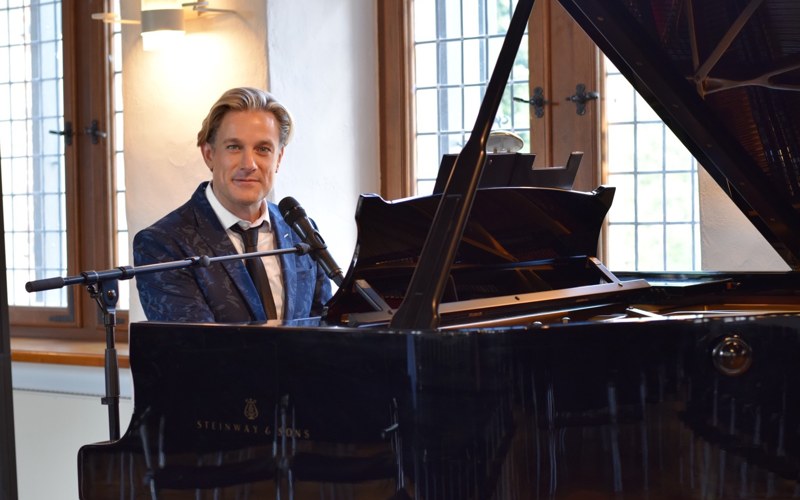 Find a comfortable key—not necessarily the originalTest both low and high passages instead of judging by the first note.
 Find your vocal entry without guessingUse a lead-in cue and keep the pulse through the silence.
 Singing while playing: start with lessSeparate the voice and the hands, then combine them one layer at a time.
Already have a topic in mind?
 Backing a friend: harmony without taking overChoose a backing role and hold your part while listening to the lead.
 Remember lyrics with scenes and starting cuesChunk the story, retrieve without the page, and practise starting in the middle.
 Gentle lip trills—not jaw or neck shakingLet the lips flutter with modest airflow and know when to stop.
 Explore high and low notes without chasing recordsDistinguish a note you can touch from a range you can use.
 When high notes change: head, falsetto, mix and whistleUnderstand the labels without treating a high sound as a challenge.
 Find your sound: colour, range and song keyExplore your sound in real phrases without fixing a lifelong label.
 Sing in time—even when the words start off the beatSeparate the pulse from the lyric rhythm and agree on the entry.
 Call and response: give everyone a partTrade short phrases and leave space without harmonizing the whole song.
- Singing while playing: start with lessSeparate the voice and the hands, then combine them one layer at a time.
- Find a comfortable key—not necessarily the originalTest both low and high passages instead of judging by the first note.
- Find your vocal entry without guessingUse a lead-in cue and keep the pulse through the silence.
 Shape a phrase, not just a string of wordsChoose a focal word and a pause without decorating every line.
 When the piano covers your voice, rebalance firstMake the accompaniment lighter instead of forcing the voice louder.
 A tired-voice day: practise without singingRest the voice while listening, mapping the song and planning.
No matching topics. Try another term or clear search.
Browse the full contents (14 articles)
- Backing a friend: harmony without taking overChoose a backing role and hold your part while listening to the lead.
- Remember lyrics with scenes and starting cuesChunk the story, retrieve without the page, and practise starting in the middle.
- Gentle lip trills—not jaw or neck shakingLet the lips flutter with modest airflow and know when to stop.
- Explore high and low notes without chasing recordsDistinguish a note you can touch from a range you can use.
- When high notes change: head, falsetto, mix and whistleUnderstand the labels without treating a high sound as a challenge.
- Find your sound: colour, range and song keyExplore your sound in real phrases without fixing a lifelong label.
- Sing in time—even when the words start off the beatSeparate the pulse from the lyric rhythm and agree on the entry.
- Call and response: give everyone a partTrade short phrases and leave space without harmonizing the whole song.
- Singing while playing: start with lessSeparate the voice and the hands, then combine them one layer at a time.
- Find a comfortable key—not necessarily the originalTest both low and high passages instead of judging by the first note.
- Find your vocal entry without guessingUse a lead-in cue and keep the pulse through the silence.
- Shape a phrase, not just a string of wordsChoose a focal word and a pause without decorating every line.
- When the piano covers your voice, rebalance firstMake the accompaniment lighter instead of forcing the voice louder.
- A tired-voice day: practise without singingRest the voice while listening, mapping the song and planning.