
Piano / PIA & SING
Right chords, wrong feel? Listen to the rhythm
Listen for when to play, when to leave space and what to emphasise.
Practical suggestions for hobbyists, not a guaranteed training programme. Adapt to a comfortable level and stop if you feel pain or tension.
In this article
Chord names describe groups of notes, not the whole feel of a song. The same chord can sound different when held, shortened or placed elsewhere in the beat.
Before adding notes, listen for attacks, duration and gaps. Change one element at a time rather than changing rhythm, volume and tempo together.
Resting is part of playing. Leave room for words instead of filling every space, and do not use pedal to hide an unclear rhythm.
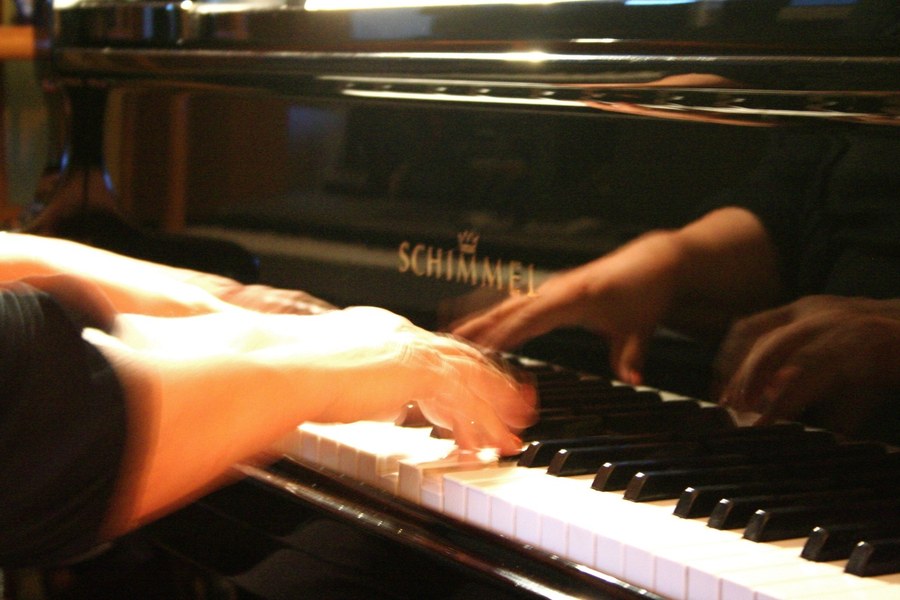
Try it step by step
- Choose a passage whose chords are right but whose feel is not.
- Tap its chord rhythm without playing pitches.
- Play the same chords with that placement.
- Compare recordings at similar tempo and volume.
Check before making it harder
Is the song more recognisable without adding notes?
A song to try this with
 At My Worst · Pink Sweat$
Use a familiar passage of At My Worst to listen for chord placement and space.
This is a suggested way to use the song, not a universal difficulty rating or key recommendation.
More in this category

References and further learning
No additional verified learning link is listed for this article. Use the exercises as practical suggestions, not a guarantee of results.