
Singing / PIA & SING
A tired-voice day: practise without singing
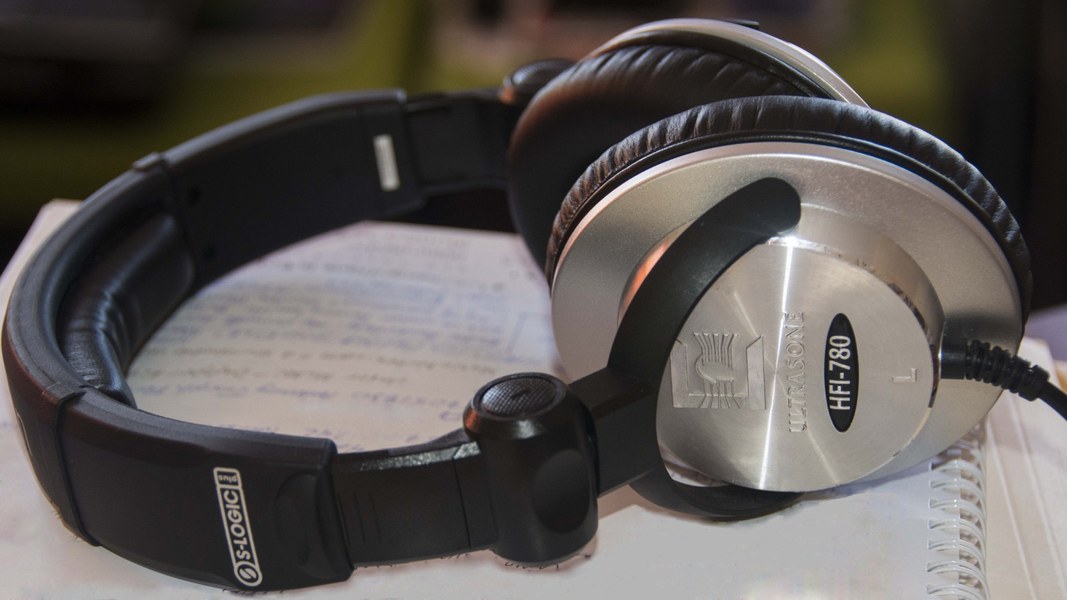
Rest the voice while listening, mapping the song and planning.
Practical suggestions for hobbyists, not a guaranteed training programme. Adapt to a comfortable level and stop if you feel pain or tension.
In this article
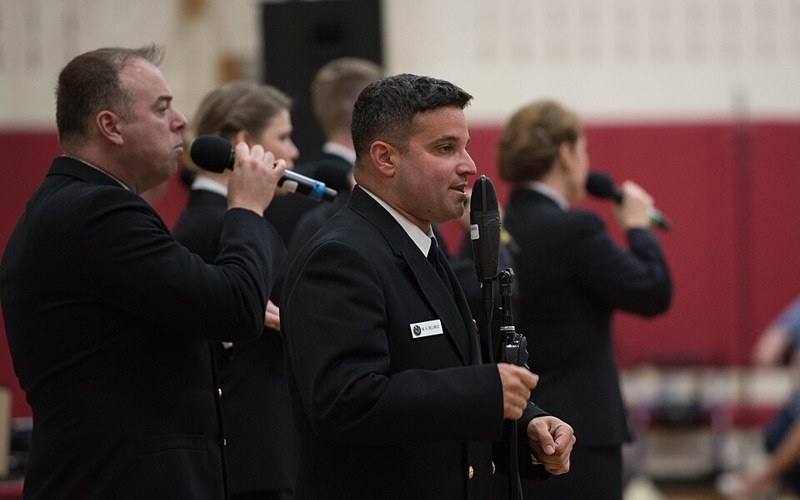
A hoarse or tired voice does not necessarily get a rest when you sing quietly or whisper. NIDCD advises avoiding singing when hoarse or tired, and avoiding extremes such as shouting or whispering.
Song practice does not always require sound from your voice. Listen to the form, mark entries, or review chord changes without singing, humming or forceful breathing drills.
If you suspect a voice problem, particularly pain or persistent symptoms, consult a healthcare professional or voice specialist. This article is not a diagnosis or treatment programme.
Try it step by step
- Listen to one passage at a comfortable volume.
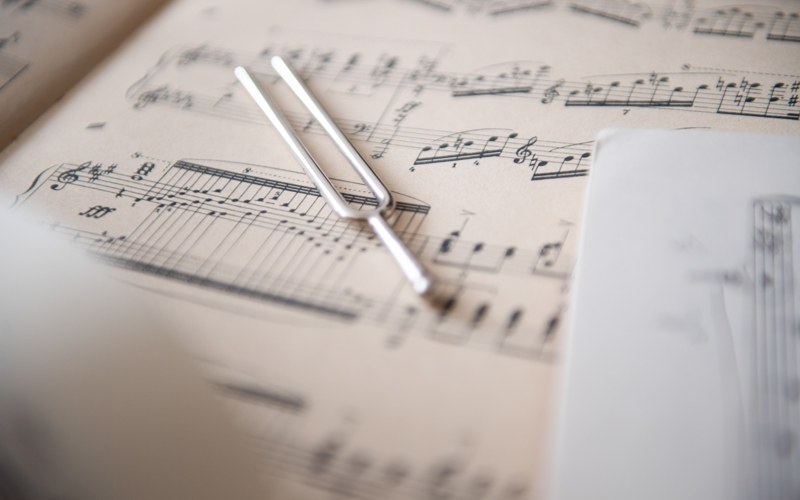
- Write down its sections and entries without vocalising.
- Choose one task for a day when your voice feels ready.
- Do not repeatedly test your voice to see whether it has recovered.
Check before making it harder
Did you finish with a clear plan while actually resting your voice?
A song to try this with
 The Lazy Song · Bruno Mars
Listen to The Lazy Song to map its sections silently—not to test or treat your voice.
This is a suggested way to use the song, not a universal difficulty rating or key recommendation.
More in this category
References and further learning
Further reading on voice care: NIDCD — Taking Care of Your Voice